


What Exactly Are Native-Made Cigarettes and How Do They Differ?
First Nations Smokes: Secure Your Legal Supply Before New Restrictions Hit
First Nations smokes are exactly what they sound like—traditional tobacco products crafted by Indigenous communities, often using their own blends and time-honored methods. You get a smoother, more natural smoke compared to commercial brands, because the tobacco is typically grown and cured without the heavy additives you find in store-bought packs. To use them, just light up like any regular cigarette or roll your own if you grab the loose leaf—no fancy gear needed. It’s a simple way to enjoy a smoke that carries a deeper connection to Indigenous heritage with every puff.
What Exactly Are Native-Made Cigarettes and How Do They Differ?
Native-made cigarettes, often called First Nations smokes, are tobacco products manufactured on Indigenous territories by First Nations-owned operations. They differ primarily in their production and sourcing: they are not made by major commercial brands and typically use unblended, additive-free tobacco, which gives a stronger, more natural taste. Unlike mainstream cigarettes, which rely on chemical additives for flavor and burn consistency, these smokes contain only cured leaf and water. A key practical difference is their physical makeup—they lack the commercial paper and filter designs, often using a simpler construction.
The most notable user-facing divergence is their intensity; because they lack additives, they burn hotter and have a harsher draw, requiring a shorter inhale for the same effect.
For smokers, the core distinction lies in this raw, unprocessed character versus the engineered, milder profile of commercial cigarettes.
Understanding the Core Characteristics of Indigenous Tobacco Products
Understanding the core characteristics of indigenous tobacco products begins with recognizing their foundational distinction: they are often cultivated from native plant species, yielding a profile that differs markedly from commercial blends. These products typically lack the additive cocktail—including sugars, humectants, and flavorings—found in mainstream cigarettes, producing a drier, more robust smoke. The curing process is frequently traditional, which alters the moisture content and combustion rate, leading to a sharper, less uniform burn. Nicotine levels can vary wildly depending on the strain and leaf part used. This variability means the smoking experience is less predictable than with standardized commercial cigarettes, yet it also strips away many masking agents that obscure natural tobacco taste. Users often describe a stronger, earthier flavor with a quicker, more intense throat hit. Understanding the core characteristics of indigenous tobacco products thus hinges on appreciating their minimal processing and botanical authenticity.
- Additive-free construction changes the chemical release and sensory profile.
- Traditional curing methods result in higher moisture variability and a distinct aroma.
- Natural leaf selection produces inconsistent nicotine strength between batches.
Key Differences in Blend, Curing, and Additive Profiles
Native-made cigarettes diverge sharply from commercial blends by prioritizing whole-leaf tobacco over homogenized sheet, yielding a coarser cut and higher moisture retention. Their curing process often relies on natural air-drying or smoke-curing, unlike mainstream flue-curing which introduces sugars and accelerates burn rate; this results in a slower, cooler smoke with a more alkaline pH. Additive profiles are minimal, generally excluding the myriad humectants, flavorants, and combustion accelerants found in factory products. Consequently, the major difference lies in unprocessed tobacco composition, affecting tar delivery and throat hit. A practical comparison: commercial brands burn hotter with chemical sweeteners, while native varieties emphasize earthy, unadulterated leaf character, though specific ratios vary between producers.
How to Choose the Right Strength and Flavor Profile for Your Taste
Start with the strength, not the flavor, because First Nations smokes often carry a naturally bold, earthy base that can overpower lighter tastes. If you’re new, pick a milder blend—look for one labeled “smooth” or “light” to avoid harsh throat hits, then work up slowly to full-bodied options once your palate adjusts. For flavor, think about what you already enjoy: sweet notes like cherry or vanilla pair well with the natural tobacco richness, while mint or menthol cuts through for a cooler finish. Don’t skip the aroma test—open the pouch and smell it, because your nose often knows before your first draw. Also, consider how often you smoke: daily users might prefer a balanced profile that won’t fatigue the senses, while occasional smokers can go bolder for a treat. Match strength to your nicotine tolerance, not just habit, and sample small quantities before committing to a full pack, as flavor intensity varies widely between producers.
Matching Tobacco Strength to Your Smoking Habits
Matching tobacco strength to your smoking habits begins with an honest audit of frequency and intensity. If you roll a few smokes daily, a balanced medium-strength blend prevents harshness while sustaining satisfaction. Heavy smokers who consume constantly often prefer full-bodied cuts, as lighter varieties trigger repeated reaching—defeating cost efficiency. Conversely, occasional users should select milder offerings, since high-nicotine leaves can induce dizziness or alter the ritual’s enjoyment. Pay attention to how quickly you finish a cigarette: a fast draw signals need for robust strength; slow, contemplative puffs align with softer profiles. Also consider throat hit—harshness tolerance determines whether you choose air-cured dark leaf Buy native cigarettes online Canada or bright, smoother grades. Adjust seasonally too: cold weather tightens airways, favoring reduced strength, while warm months allow fuller draws. Ultimately, your pack count per day and craving rhythm are the best predictors of optimal strength.
Navigating Natural vs. Additive-Free Flavor Options
When sorting through natural vs. additive-free flavor options, think of natural as the raw, unmodified leaf taste—earthy, woody, and sometimes slightly sweet. Additive-free, meanwhile, means no extra flavorings or sugars were introduced, so you get a cleaner, sharper smoke that’s closer to the plant itself. For a lighter touch, try an additive-free variety if you want to taste the tobacco’s true character without any lingering aftertaste. If you prefer a softer draw with subtle hints of sweetness, stick with natural options that rely on the leaf’s own oils. Test small amounts first.

- Compare the aroma: natural often smells richer and slightly damp, while additive-free smells drier and more neutral.
- Check the burn rate: additive-free tends to burn faster due to fewer binders.
- Match the flavor to your usual strength—stronger palates often lean natural, lighter ones prefer additive-free.
Practical Tips for Buying and Storing Your Purchase
When buying First Nations smokes, always purchase from a recognized vendor within the community to ensure authenticity and fair pricing. Inspect the packaging for a band or store seal, then check the tobacco’s moisture by squeezing the pouch—it should spring back, not crumble. Store your purchase in a cool, dark, airtight container, like a mason jar, to prevent dryness and preserve the natural flavor; avoid plastic bags, which trap humidity and cause mold. Keep it away from heat sources and direct sunlight, as these degrade the leaf fast. For long-term storage, add a small humidity pack calibrated to 62%. Q: How long can an opened pouch last? A: Up to three months if resealed tightly and kept in the fridge, but let it warm to room temperature before opening to prevent condensation.
How to Assess Quality Before You Commit to a Carton
Before committing to a carton, inspect the seal integrity and moisture level of a single pack first—press the foil; it should crinkle sharply, not feel spongy, which signals stale leaf. Roll one cigarette and check the burn: even, white ash with no canoeing indicates proper curing, while a dark, flaky ash suggests rushed processing. Smell the tobacco through the pack’s vent; it should be earthy and sweet, not sour or ammoniacal. Finally, squeeze the carton’s base—if it flexes easily, the sticks inside are likely broken or overdried. A sample burn test beats any label.
Assess by testing seal, burn, and scent before buying a full carton.
Best Practices for Keeping Your Smokes Fresh and Moist
To keep your First Nations smokes tasting sharp, never leave them exposed to dry air; instead, store them in a sealed glass jar with a small damp cotton ball or a dedicated humidity stone. Check them daily, because over-moistening can crush flavor. Rotate the pack weekly to distribute moisture evenly, and keep the stash away from direct sunlight or heat vents that accelerate drying. Using a humidity pack at 62% relative humidity preserves the delicate tobacco profile without introducing mildew risk. If your smokes feel brittle, add one drop of distilled water to the liner, then reseal for 24 hours. This routine maintains that first-draw smoothness while protecting your investment.
What Are the Cost Benefits and Value Comparisons for Smokers?
For smokers who switch to First Nations smokes, the immediate cost benefit often shows up in the weekly budget—prices are typically lower than mainstream store brands because they bypass provincial and federal tobacco taxes. That difference can mean saving anywhere from 20 to 40 percent per carton, which for a daily smoker adds up to hundreds of dollars a year. The value comparison isn’t just about sticker price, though. Many First Nations offerings use traditional, additive-free tobacco, which some smokers say delivers a cleaner, more natural burn—meaning you might smoke less per session due to the stronger, earthier taste. The real value lies in stretching your money further while getting a product that feels closer to the land. But you have to weigh the trade-off: no government health warnings, less consistent quality control, and the need to travel to reserve lands or trusted sellers.
For a long-time smoker on a fixed income, the savings can feel like a small raise, but the true payoff is whether the smoke satisfies you enough to cut back on daily consumption.
That’s the practical calculation—not just what you pay, but what you get per puff.
Why These Products Offer a More Economical Everyday Option
For everyday smokers, First Nations smokes present a direct cost advantage because their pricing structure avoids federal excise taxes applied to commercial tobacco, translating into significantly lower shelf prices per carton. This makes them a practical everyday value option for budget-conscious consumers who prioritize consistent affordability over brand marketing. Consumers also save on ancillary costs, as these products typically come in simple, unbranded packaging that reduces overhead, and the bulk purchase of native-grown tobacco often yields additional per-unit discounts. Below are specific economic factors:
- Lower per-pack cost compared to taxed mainstream brands, preserving predictable daily spend.
- Reduced packaging and advertising expenses passed directly as savings to the buyer.
- Volume-friendly pricing for frequent purchases, ensuring the total monthly outlay remains low and stable.

Comparing Carton Pricing Against Mainstream Commercial Brands
When you stack up the numbers, carton pricing against mainstream commercial brands shows a clear gap for First Nations smokes. A typical carton of a commercial brand runs you $150 to $200, depending on your province, while a First Nations carton often lands between $40 and $80 for the same 200 cigarettes. That’s roughly a 50–70% saving right off the top. You’re not just paying less per pack—you’re cutting the per-cigarette cost to around 20–40 cents, versus 75 cents to a dollar for big-name brands. For a daily smoker, that difference adds up fast: you could save $60 or more on every single carton. So when you’re budgeting for the month, the practical win is obvious—same quantity, far lighter hit on your wallet.
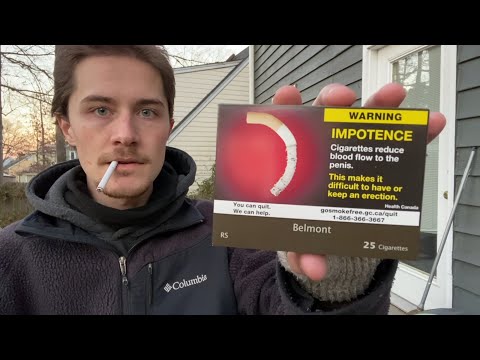
Comparing carton pricing against mainstream commercial brands, First Nations smokes consistently undercut store-bought options by 50–70%, making them a straightforward money-saver for everyday smokers.
Step-by-Step Guide to a Proper Roll and Smoke Experience
Begin by cupping the pouch of First Nations tobacco, feeling the loose-cut leaves that carry the scent of cedar and earth. Pinch a generous yet even amount, letting it fall into the rolling paper’s crease, then spread it gently with your thumbs—never pack it tight, or the smoke will turn bitter. Roll the paper between your fingers, tucking the edge under and licking the gum line with a slow, deliberate seal. Twist one end to catch any stray leaf, then tap the other against your palm to settle the draw. Light it with a wooden match, not a lighter, and let the first ember catch naturally. Take small, patient puffs to gauge the burn, then draw deep, holding the smoke briefly before releasing it in a slow spiral. The rhythm matters more than the product, as each pull should mirror the unhurried pace of a shared story. Finally, let it rest in an ashtray between hits, so the tobacco cools and the flavor stays true.
Achieving the Ideal Draw and Burn Rate
Achieving the ideal draw and burn rate for First Nations smokes begins with the pack’s moisture level—too dry, and the burn races; too damp, and the draw pulls harshly. Gently roll the cigarette between thumb and forefinger to loosen the tobacco, ensuring even airflow without gaps. When lighting, use a soft flame and rotate the tip slowly until an even cherry forms, then take a short, steady puff to stabilize combustion. Tapping ash only when it exceeds a quarter-inch prevents heat buildup that accelerates burn. Controlled, rhythmic inhalation—slow in, brief pause, slow out—maintains a consistent ember temperature, reducing canoeing and harshness.
Achieving the ideal draw and burn rate requires balanced moisture, even rolling, and steady puff cadence to ensure a smooth, consistent smoke.
Common Mistakes to Avoid When Handling the Product
A common mistake is gripping the roll too tightly, which crushes the tobacco and restricts airflow, leading to a harsh, uneven burn. Avoid over-wetting the seal, as excessive moisture can warp the paper and cause runs. Do not repack the lit end repeatedly; this compacts the material and blocks oxygen. Always store the product in a dry, cool place—humidity is the enemy of a clean smoke. Proper handling preserves the integrity of the tobacco blend, so roll with a light, even touch and never leave the finished product exposed to sun or dampness. Re-lighting a stale, partially burned roll often produces a bitter taste that masks the leaf’s natural character.
- Rolling too tight or too loose, which disrupts draw resistance.
- Using excessive saliva, causing paper warping and split seams.
- Crushing the tip during transport, which obstructs the mouthpiece or filter.
- Ignoring cracks in the paper before lighting, leading to side burns.
Frequently Asked Questions About Authenticity and Quality Control

When verifying the authenticity of First Nations smokes, always check for a federally-issued excise stamp and a band-licensed producer mark, as legitimate products carry both. For quality control in First Nations smokes, ask the seller about their moisture content and curing process—properly aged tobacco should feel slightly springy, not brittle or damp. If you notice a chemical aftertaste or uneven burn, that indicates substandard filler, a common counterfeit red flag. Seal integrity matters: authentic packs use a tamper-evident wrap with a clear tear strip, while fakes often show glue residue or loose cellophane. Finally, request a batch code from the retailer; verified producers can trace their product to a specific production date and quality inspection, whereas unlicensed vendors cannot provide this documentation.
How to Verify You’re Getting a Genuine Product
To verify you’re getting a genuine product, begin by examining the packaging for a federal excise stamp, which is mandatory for legally sold First Nations smokes. Check for a visibly printed lot number and production date, as authentic items consistently include these. Compare the texture and aroma of the tobacco against known standards—counterfeits often feel dry or smell chemically. Purchase only from retailers with explicit authorization from the specific First Nation band, and request a receipt that names the manufacturer. Finally, scan any QR code on the pack, if present, to confirm it matches the band’s official registry. Verifying the excise stamp and lot number remains your most reliable safeguard.
What to Expect in Terms of Nicotine Content and Hit
When you’re checking out First Nations smokes, expect a noticeably stronger nicotine hit compared to many commercial brands. Because these cigarettes are often produced with less filtration and higher-tobacco blends, the nicotine content tends to run on the heavier side—so if you’re used to lighter smokes, take a slower first drag. The throat punch is typically harsher and more direct, with a fuller, earthier tobacco taste. You won’t find the same chemical additives that mellow out mainstream options, so the burn feels faster and more robust.
- Nicotine levels are usually higher, but can vary by batch and source.
- The hit is sharp and immediate, with minimal filter drag.
- Expect a stronger, rawer sensation in your throat and chest than typical store brands.
- If you’re sensitive to nicotine, start with one puff to gauge tolerance.